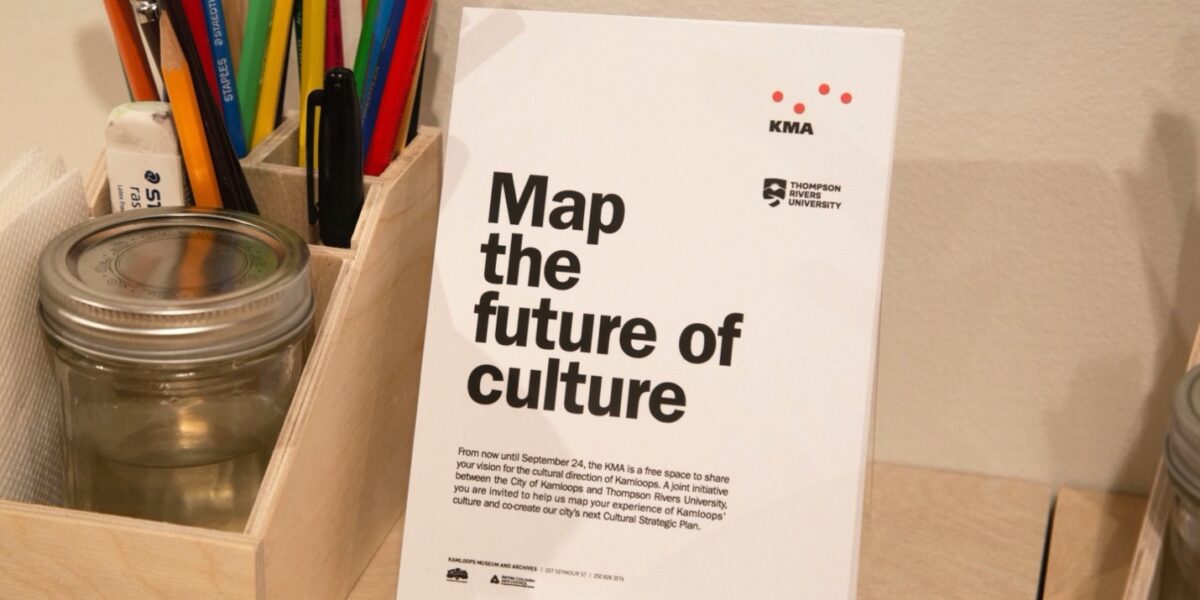
A new publication on cultural mapping from our former graduate research assistant, Saaranch Bhardwaj. Saaranch was a key team member with our You Are Here project, and he’s now an Energy and Emissions Analyst with the City of Kamloops, leading projects in energy efficiency, decarbonization, and community sustainability.
Saaranch writes that “as someone who is passionate about sustainability and climate action, this project helped me see the environment through a different lens. It made me realize that protecting the environment starts with understanding the relationship we share with the land and that climate change isn’t just a scientific issue—it’s a lived experience. Cultural mapping helps bridge the gap between data and emotion.”
“If there is one message that the You Are Here project taught me, it is this: climate action begins with connection.”
When I joined the Thompson Rivers University You Are Here project team as a graduate research assistant, I was expecting to just gather data and perform analysis. Instead, I found myself not just performing analysis, but also tracing the invisible threads that connect people to the city of Kamloops through stories, emotions, and memories. This made the city come alive.
Cultural mapping is a systematic and participatory approach that helps to uncover the cultural strengths and opportunities within a community. The participants are presented with a blank sheet of paper, drawing tools, and some short research questions. Participants then answer the questions by drawing on the piece of paper, which is followed by a short interview where participants walk us through their maps.
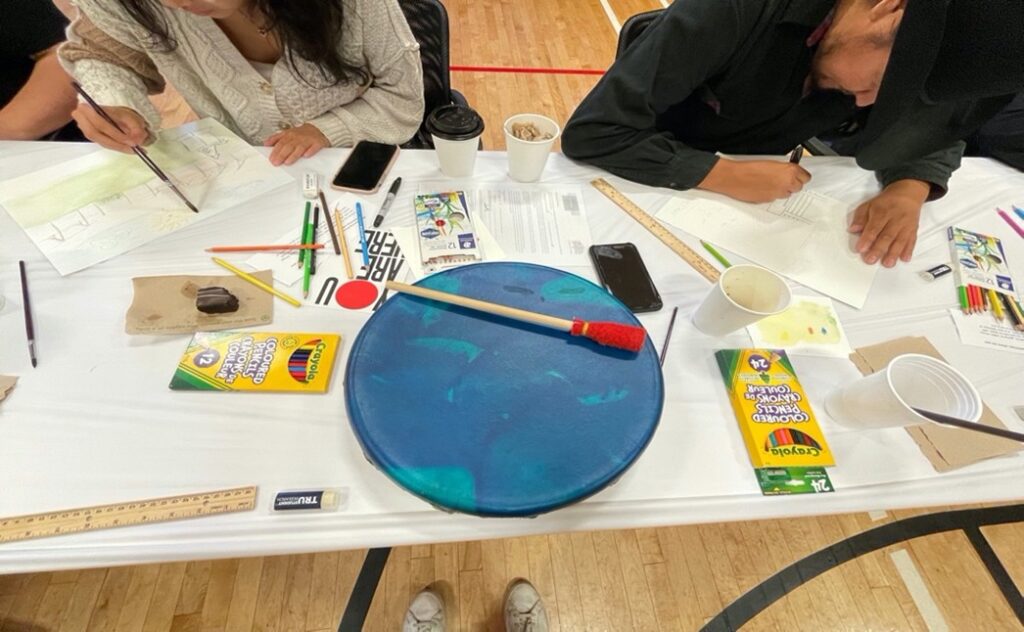
This creative approach gives participants an opportunity to communicate their emotions and feelings that would have been hard to articulate. Further, this exercise gives them a sense of autonomy as they are the authors of their own maps: free from constraints, boundaries, or expectations. This gives them an option to think outside the box and create their own world. The interviews are recorded, transcribed, and analyzed to create common themes that pave the way for decision-making.
Cultural mapping, I soon realized, is not just about drawing maps or counting landmarks, but about listening and immersing ourselves into other maps and being part of others’ stories. Unlike traditional maps, which show what’s there, cultural maps reveal why it matters. Participants mentioned rivers, mountains, biking trails, hiking trails, ice rinks, and lakes. On a regular map, these are just lines and dots, but through cultural mapping, these became living memories.
As someone who is passionate about sustainability and climate action, this project helped me see the environment through a different lens. It made me realize that protecting the environment starts with understanding the relation we share with the land and that climate change isn’t just a scientific issue – it’s a lived experience. Cultural mapping helps bridge the gap between data and emotion.
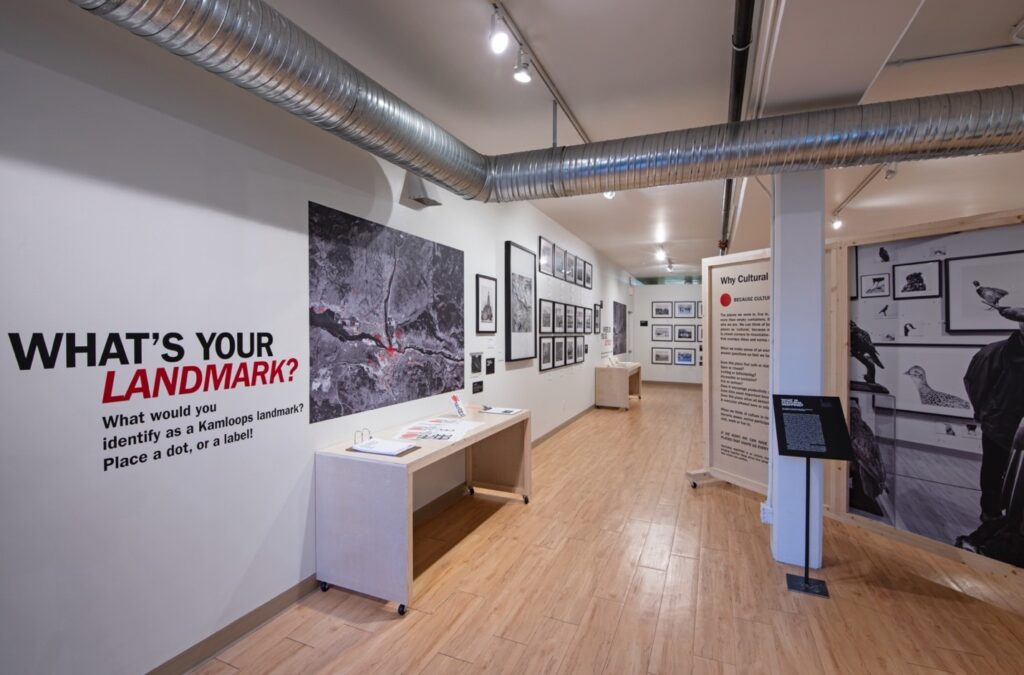
The outcomes from this project informed the City of Kamloops’ next Cultural Strategic Plan for 2024-2034. Over 3600 people participated in the cultural mapping project, and 36 interactive mapping sessions were organized. The Cultural Strategic Plan focused on celebrating local stories, and strengthening the art and culture landscape in the city while also recognizing the importance of climate action in the community. This collaborative project was in partnership with Thompson Rivers University, City of Kamloops and Kamloops Museum and Archives. The project received support from the Tk’emlups te Secwepemc and was assisted by research partners such as Mitacs, SSHRC and the consultancy Patricia Hunstman Culture + Communication.
If there is one message that the You Are Here project taught me, it is this: climate action begins with connection.
For readers who would like to delve deeper into the You Are Here project, please visit this website that provides various reports related to the project. The website also provides a collection of various maps that were collected during the exhibition. Moreover, for readers who would like to start their cultural mapping journey, A Guide to Cultural Mapping and Cultural Mapping Toolkit can help you familiarize yourself with the cultural mapping process.